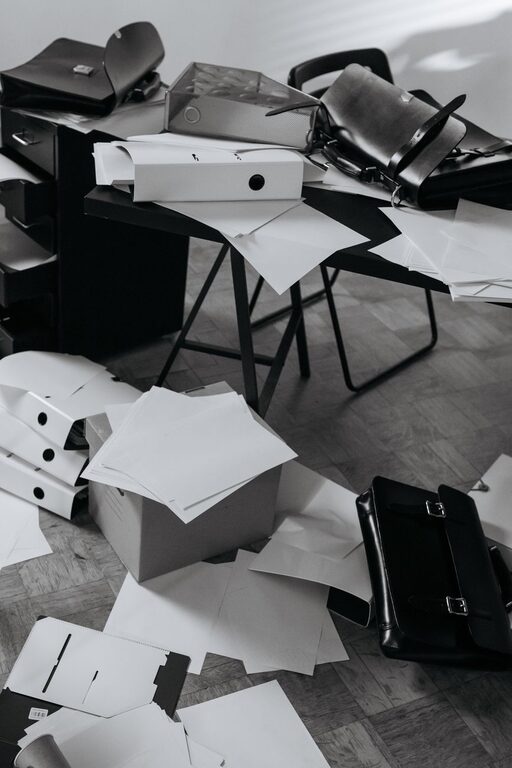
Paper clutter can quickly take over our homes, making spaces feel messy and overwhelming. However, reducing household paper clutter doesn’t have to be difficult or time-consuming. By adopting a few simple habits and organizing strategies, you can keep your papers under control and create a more peaceful living environment. This guide will walk you through straightforward ways to reduce paper clutter and maintain a tidy home.
Why Reducing Paper Clutter Matters
Paper clutter can impact your daily life in many ways. It can cause stress, make it hard to find important documents, and even attract dust and allergens. Organizing and minimizing paper not only saves space but also simplifies tasks like paying bills, managing mail, and handling personal records.
Start With a Paper Clutter Audit
Before you begin sorting, take a moment to gather all the paper in your home that may contribute to clutter. This includes mail, receipts, school papers, manuals, magazines, and old documents.
– Collect papers from drawers, countertops, and bags.
– Sort them into broad categories such as bills, personal documents, junk mail, and sentimental items.
– This initial step gives you a clear picture of what you’re dealing with.
Adopt These Simple Paper Management Habits
1. Handle Incoming Paper Immediately
One of the easiest ways to prevent paper clutter is to deal with mail and documents as soon as they come in.
– Create a designated spot near your entryway or kitchen for incoming papers.
– Sort mail daily, recycling junk mail immediately.
– File important documents or add them to a to-do list right away.
2. Go Digital Whenever Possible
Many bills, statements, and communications are available electronically. Switching to digital formats reduces physical paper.
– Sign up for e-billing and electronic statements.
– Use apps or software for scanning and storing important documents.
– Set reminders to check digital mail and files regularly.
3. Declutter Regularly
Schedule time weekly or monthly to go through accumulated papers.
– Recycle or shred what you no longer need.
– File documents in a well-organized system.
– Keep only essential papers and digitize the rest if you want to preserve the information.
Organize Paper With Practical Systems
1. Create a Paper Filing System
Having a clear and accessible filing system encourages you to file papers instead of leaving them scattered.
– Use labeled folders, binders, or accordion files.
– Categorize files by type such as “Bills,” “Receipts,” “Medical,” and “School.”
– Store frequently used documents in an easy-to-reach location.
2. Use a Command Center
Set up a central area where all family members can place and find important papers and stay updated on schedules.
– Include a calendar, a mail sorter, and a bulletin board.
– Keep pens, sticky notes, and other supplies handy.
– This helps keep paper organized and communication clear.
3. Limit Paper to One Spot
Avoid spreading paper across the house by designating a single area for all paper items.
– This reduces chances of losing important papers.
– Makes it easier to keep track and manage incoming documents.
Tips to Reduce Specific Types of Paper Clutter
Junk Mail
– Opt out of unsolicited mail through services like the Direct Marketing Association.
– Use online forms instead of printed coupons.
– Recycle junk mail immediately after sorting.
Receipts
– Only keep receipts needed for warranties or tax purposes.
– Take photos of receipts on your phone to save digitally.
– Use envelopes or small folders to organize receipts you keep.
School Papers and Kids’ Artwork
– Selectively keep meaningful projects or important documents.
– Create a digital archive by scanning or photographing artwork.
– Use a rotating display board to showcase recent work and update it regularly.
Essential Tools for Managing Paper Clutter
– Shredder: Securely dispose of sensitive documents.
– File folders and labels: Keep papers organized and easy to find.
– Scanner or mobile scanning app: Digitize important documents.
– Storage boxes or binders: Store papers you want to keep long-term.
The Benefits of Reducing Paper Clutter
By reducing paper clutter, you’ll enjoy a cleaner and more functional home. It can help you:
– Find important documents quickly.
– Save time managing bills and paperwork.
– Reduce stress associated with mess and disorganization.
– Protect your personal information through better document handling.
Final Thoughts
Reducing household paper clutter is achievable with simple, consistent habits and a practical organization system. Start small by handling incoming papers immediately and embracing digital alternatives. Regularly declutter and maintain your filing systems to keep paper under control. Over time, these efforts will transform your home into a more orderly and enjoyable place to be.
About the Author