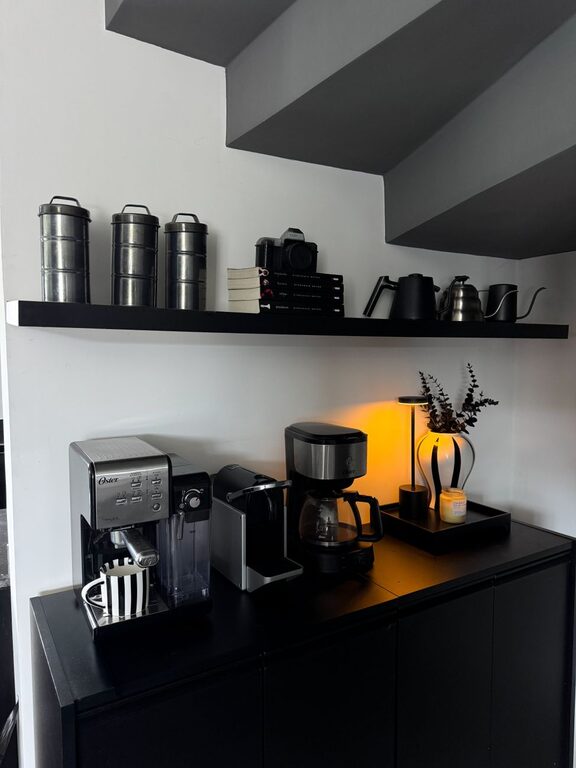
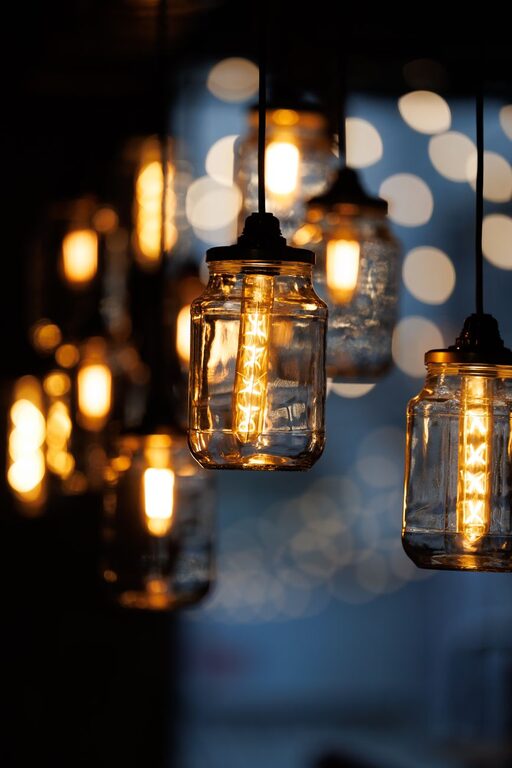
Creating a comfortable home environment involves more than just furniture and colors—lighting plays a crucial role in setting the mood and ensuring your space feels welcoming. Comfortable lighting not only enhances the aesthetic appeal of your rooms but also supports your well-being by reducing eye strain and promoting relaxation. Here are some helpful tips to guide you in choosing the perfect home lighting for comfort and style.
Understand the Role of Lighting in Your Home
Before you start shopping for lamps and bulbs, it’s important to understand the different types of lighting and their purposes:
– Ambient lighting provides overall illumination for a room.
– Task lighting focuses on specific areas where activities like reading or cooking take place.
– Accent lighting highlights features such as artwork or architectural details.
A well-balanced combination of these types ensures your space is both functional and inviting.
Consider the Lighting Temperature
Light bulbs come with various color temperatures measured in Kelvins (K). This affects how warm or cool the light appears:
– Warm light (2700K–3000K): Produces a soft, yellowish glow, perfect for living rooms and bedrooms where relaxation is a priority.
– Neutral light (3500K–4100K): Offers a clean, bright look suitable for kitchens, bathrooms, or workspaces.
– Cool light (5000K–6500K): Mimics daylight; ideal for areas that require high attention and focus but might feel too harsh for general living spaces.
For comfortable home lighting, opting for warm to neutral tones is generally preferable.
Focus on Glare Reduction
Glare can cause discomfort and eye strain. To minimize glare:
– Use lampshades or diffusers to soften harsh light.
– Avoid placing bright lights directly in your line of sight.
– Choose bulbs with a high Color Rendering Index (CRI) to ensure colors appear natural under your lighting.
Choose Dimmable Lighting Solutions
Installing dimmable lights allows you to adjust brightness according to your mood and time of day. Dimmers help create a cozy atmosphere in the evening or provide bright light when needed for tasks. Many LED bulbs are compatible with dimmer switches, making them a versatile and energy-efficient option.
Mix Different Light Sources
Avoid relying on a single overhead fixture. Instead, layer your lighting with a mix of floor lamps, table lamps, sconces, and ceiling lights. This approach adds depth to your rooms and lets you customize lighting zones for comfort and style.
Pay Attention to Fixture Placement
Strategically place light fixtures to reduce shadows and evenly illuminate your space:
– Position task lighting close to work areas.
– Use accent lighting to highlight art or architectural features.
– Include floor or table lamps near seating areas to create inviting spots for reading or relaxing.
Consider Energy Efficiency and Longevity
Comfort doesn’t just mean feeling good—it also means smart choices for your wallet and the environment. LED bulbs consume less energy and last longer than traditional incandescent bulbs, reducing replacements and electricity bills. Look for ENERGY STAR-rated products to maximize efficiency.
Test Lighting Before Committing
If possible, test bulbs and fixtures in your home before finalizing your purchase. Lighting perception can vary depending on room color, size, and natural light. Some stores offer return policies that allow you to try products at home risk-free.
Additional Tips for Specific Rooms
– Living Room: Choose warm, inviting lighting with adjustable brightness. Combine ambient light with softer task lighting near seating.
– Kitchen: Use bright, neutral-toned lighting for work surfaces and include under-cabinet lights to minimize shadows.
– Bedroom: Opt for dimmable and warm lights to promote relaxation. Bedside lamps with easy-to-reach switches are practical.
– Bathroom: Use bright, neutral light around mirrors for clear visibility without harshness.
Final Thoughts
Selecting comfortable home lighting involves balancing aesthetics, functionality, and personal preferences. By understanding different lighting types, choosing the right color temperature, reducing glare, and layering your light sources, you can create a cozy and practical environment that enhances your daily life. Remember to consider energy-efficient options and test your choices in your home to achieve the best results.
With these tips, your home lighting can transform from ordinary to warm and welcoming, making every room a comfortable place to be.
About the Author